
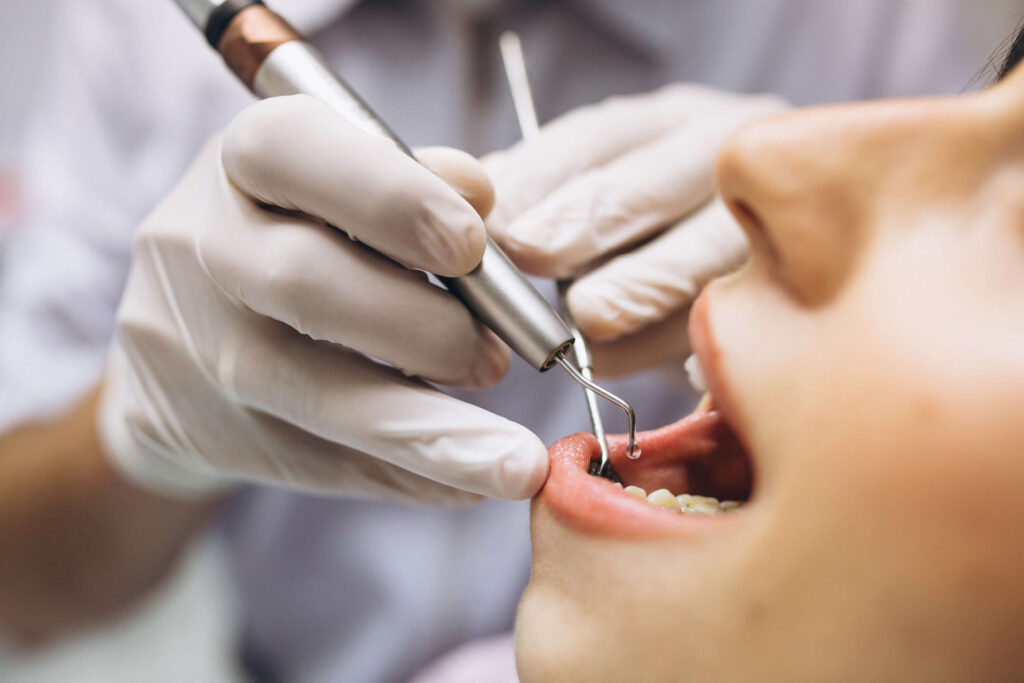
Gum bleeding is not something to ignore. Here are the most common causes and what you can do about it…
**Why Does Gum Bleeding Occur?
What You Can Do at Home and When to See a Dentist**
Gum bleeding is one of the earliest warning signs of oral health problems. Dismissing it as “something that happens occasionally” can lead to serious issues over time.
1. Plaque and Tartar Buildup
Plaque accumulates on the tooth surface and hardens into tartar over time. These deposits put pressure on the gums, causing inflammation and bleeding.
2. Brushing Too Hard
Brushing with excessive force damages the gums and leads to bleeding.
A soft-bristled toothbrush with gentle circular motions is recommended.
3. Vitamin Deficiencies
Deficiencies in vitamin C and vitamin K, in particular, can increase gum bleeding.
4. Hormonal Changes
Pregnancy, puberty, and certain medications can increase gum sensitivity.
5. When Should You See a Dentist?
You should definitely consult a dentist if you experience any of the following:
Bleeding lasting longer than one week
Bad breath
Swollen gums
Loose teeth
Sensitivity while chewing
What You Can Do at Home
Brush your teeth regularly twice a day
Use dental floss daily
Use antiseptic mouth rinses
Reduce sugary foods
Remember
Gum bleeding is not normal.
Early treatment can even prevent tooth loss.