
What Is Pedodontics?
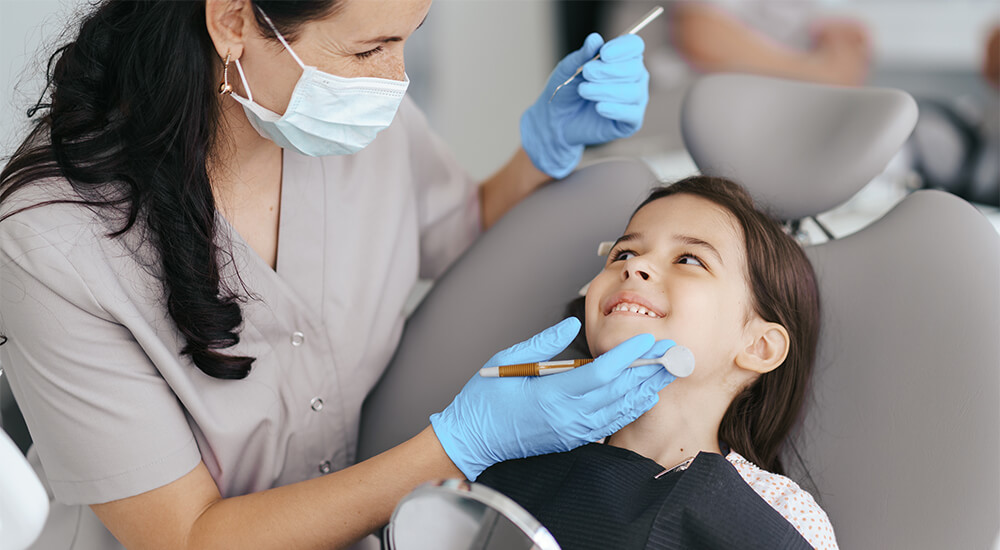
Pedodontics is a branch of dentistry that aims to protect children’s oral and dental health, monitor tooth development regularly, and treat potential problems at an early stage. The term comes from the Greek words “pedo” (child) and “odont” (tooth). This field follows all stages of dental development from infancy through adolescence.
Pedodontic specialists not only provide dental treatments but also focus on preventive care to reduce the risk of future dental problems. Helping children develop proper oral hygiene habits, overcome dental anxiety, and maintain a healthy smile are among the main goals of pedodontics.
The techniques and communication methods used in this field are adapted to the child’s age and psychological needs. The aim is to build trust between the child and the dentist while establishing lifelong awareness of oral hygiene.
Pedodontics combines both preventive and restorative approaches. Regular dental check-ups starting in childhood help prevent more serious orthodontic or periodontal problems that may occur later in life.
What Does Pedodontics Treat?
Pedodontics deals with all oral and dental problems seen during childhood. Common issues include cavities in baby teeth, tooth fractures, gum diseases, teething problems, enamel defects, and jaw development disorders.
Pediatric dentists also apply preventive treatments to strengthen teeth against decay. Fluoride applications, fissure sealants, and dietary counseling are among the most common preventive methods. Pedodontists create regular follow-up programs to prevent tooth decay and guide families on proper oral care routines.
Pedodontics is not limited to treatment only. It also monitors the natural timing of baby tooth loss, the eruption sequence of permanent teeth, and the development of the jawbones. When necessary, pediatric dentists work together with orthodontists to guide tooth alignment in the right direction.
Emergency cases such as dental trauma, early tooth loss, or gum inflammation are also included within the scope of pedodontics. In this way, a child’s oral health is protected in a comprehensive manner.
Why Is Pedodontics Important?
Pedodontics plays an essential role in a child’s overall development and health. Oral health is not only an aesthetic matter but also an important factor for nutrition, speech development, and self-confidence. Preventive care during childhood helps reduce the risk of tooth loss and orthodontic problems in later years.
Starting regular dental visits at an early age allows cavities to be detected in the early stage. A small cavity can quickly turn into a serious infection requiring root canal treatment. Pedodontics prevents this progression and helps keep teeth healthy in the mouth.
Pedodontists also shape a child’s attitude toward dental care. A gentle approach, patience, and trust-building communication during treatment form the foundation of lifelong oral hygiene habits.
Why Are Baby Teeth Important?
Baby teeth act as guides for permanent teeth. They are essential for proper jaw development and for the healthy eruption of permanent teeth in the correct position. Children need strong baby teeth to eat properly, learn clear speech, and smile with confidence.
If baby teeth are lost too early, the empty spaces may close over time. This can change the eruption direction of permanent teeth and lead to crowding in the future. To prevent this, pedodontists apply protective treatments and, when needed, use space maintainers to preserve the correct alignment.
Cavities in baby teeth not only cause pain but can also negatively affect the development of permanent teeth underneath. Bacteria spreading from the infected root may damage the developing permanent tooth bud, leading to discoloration or shape irregularities. For this reason, regular monitoring of baby teeth is essential to protect oral health during childhood.
What Are Preventive Treatments in Pedodontics?
Preventive applications in pedodontics aim to prevent cavities and strengthen tooth enamel. The most common preventive methods include fluoride treatment, fissure sealants, tooth brushing education, and improving dietary habits.
Fluoride strengthens enamel and increases resistance against acid attacks. When applied regularly, it significantly reduces the risk of tooth decay. Fissure sealants protect the grooves on the chewing surfaces of molar teeth, preventing bacteria from settling in these areas.
Pedodontists plan preventive care based on the child’s age, dental structure, and risk of cavities. This creates a personalized protection program for each child. When preventive treatments begin early, they provide long-term benefits. The child’s oral health is protected, the need for treatment decreases, and healthy habits become permanent.
How Is Fluoride Treatment Performed in Pedodontics?
Fluoride treatment is applied by coating the tooth surfaces with a fluoride gel or varnish. This procedure is completely painless and takes only a few minutes. Before application, the teeth are cleaned and dried. Then the fluoride gel is applied to the teeth using a special brush.
Fluoride penetrates the enamel and strengthens the tooth against external factors. After the gel remains on the teeth for a few minutes, it is removed by spitting. After treatment, it is usually recommended not to eat for a short period of time.
In some cases, the dentist may prefer fluoride varnish. This form adheres to the tooth surface and allows fluoride to remain active longer. By repeating the application every 6 months, continuous protection is maintained.
Fluoride treatments provided in pedodontic clinics are scientifically proven methods for preventing tooth decay. In addition to strengthening enamel, they can also slow down the progression of early-stage cavity lesions.
What Is a Fissure Sealant in Pediatric Dentistry?
A fissure sealant is a protective material applied to the deep grooves on the chewing surfaces of permanent molar teeth. These grooves create areas where bacteria and food particles easily accumulate. The sealant closes these grooves and protects the tooth enamel against cavities.
Before application, the tooth surface is carefully cleaned. Then the tooth is slightly roughened with a special gel. This step helps the sealant bond strongly to the enamel. The transparent or white material is applied to the surface and hardened with a blue curing light.
Fissure sealant treatment is painless and completed in a single visit. It is especially recommended between the ages of 6 and 7, when the first permanent molars erupt. At this age, the tooth surfaces are not fully matured, which increases the risk of cavities. Fissure sealants provide highly effective protection during this period.
After the procedure, a smooth protective barrier forms on the tooth surface. This barrier prevents bacteria from attaching to the tooth and makes cleaning easier. With regular check-ups, the condition of fissure sealants is monitored and renewed when necessary.
Pedodontists consider fissure sealants one of the safest and most effective methods for preventing tooth decay in children. With proper care and regular follow-up, the protective effect can last up to 10 years.